Mega Ball Rules Explained: How to Play, Winning Numbers, and Prize Structure
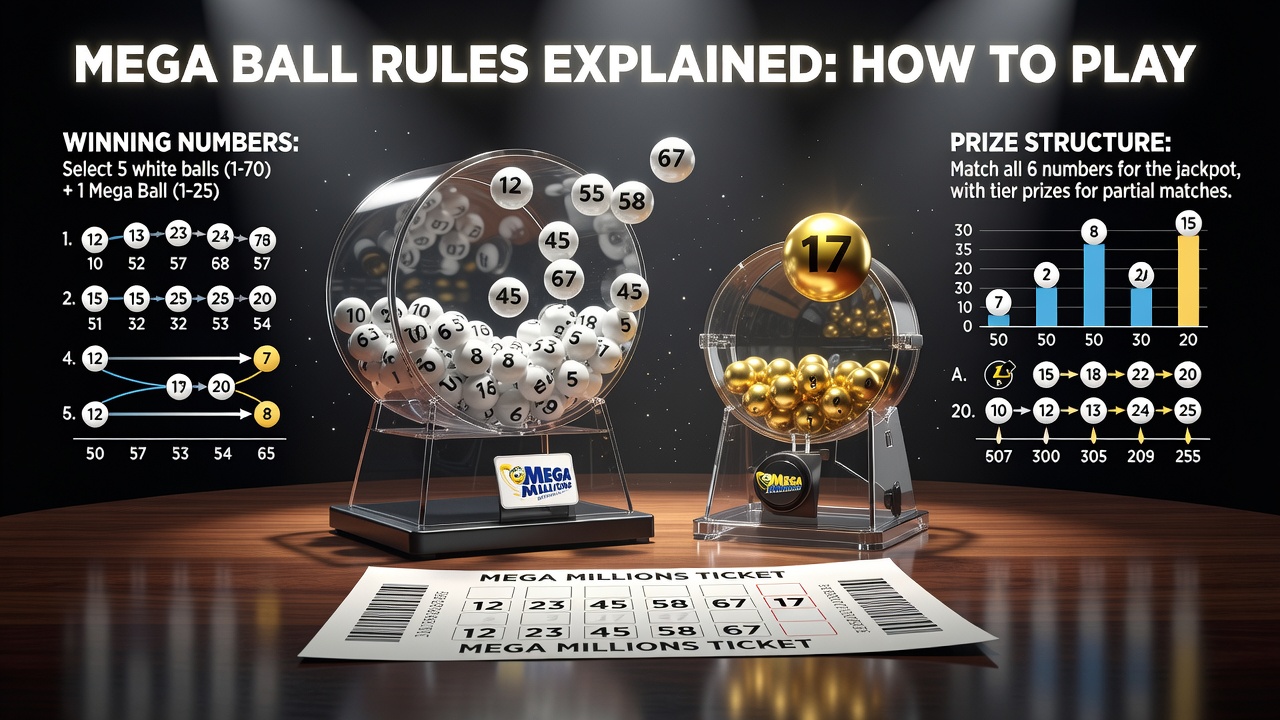
A single gold ball, drawn from a separate pool of numbers, is what separates a modest payout from a nine-figure jackpot. That's the mechanical heart of one of the most popular lottery formats in the country, and it's also the source of most of the confusion players bring to the counter. Two number pools, two different odds, one multiplier that changes everything below the top prize - the system rewards players who understand it and often shortchanges those who don't.
This confusion isn't trivial. Players routinely misjudge which numbers matter most, misunderstand how the jackpot grows, or assume every prize tier works the same way. It doesn't. Before you buy your next ticket, it helps to read through a breakdown of mega ball rules like the one available at mega ball rules, since the finer details of prize tiers and drawing mechanics rarely get explained in plain language at the point of sale. Retail clerks sell tickets; they don't teach probability.
What follows is a complete walkthrough - how the game is structured, how numbers are drawn, what each prize tier actually pays, and how to read the odds honestly rather than optimistically. No shortcuts, no myths, just the mechanics as they actually operate.
Understanding the Basics of Mega Ball
Before diving into strategy or prize amounts, it helps to separate the two core components of the game: the main number pool and the Mega Ball itself. Together they define every rule that follows.
What Makes Mega Ball Different From Other Lottery Games
Most traditional lottery formats draw all winning numbers from a single pool. Mega Millions - the game most people mean when they say "Mega Ball" - splits the draw into two separate pools. Five white balls come from one range, and the Mega Ball itself comes from a smaller, entirely separate range. This dual-pool design is what creates the game's signature long odds and its correspondingly enormous jackpots. A single-pool game simply can't produce the same combination of low winning probability and high payout ceiling.
The Role of the Mega Ball in Determining Prizes
The gold Mega Ball isn't just a bonus number - it's the pivot point of the entire prize structure. Matching all five white balls without the Mega Ball still pays a substantial prize, often a million dollars, but matching the Mega Ball alone, with none of the white balls correct, still earns a small payout. This asymmetry is intentional. It keeps the mega ball prize structure layered, giving players multiple realistic ways to win something, even if the jackpot itself remains a long shot.
How to Play Mega Ball: A Step-by-Step Guide
Learning how to play Mega Ball takes about five minutes, and most of that time is spent picking numbers rather than understanding mechanics. The process is deliberately simple to keep participation high.
Selecting Your Numbers
Players choose five numbers from the main pool - typically ranging from 1 to 70 - and then select one additional number, the Mega Ball, from a smaller pool, usually 1 to 25. Some players pick numbers manually based on birthdays or patterns; others use a quick-pick option that generates numbers randomly. Statistically, neither method changes your odds, since every combination in a fair drawing carries identical probability.
Purchasing Tickets and Ticket Formats
Tickets are purchased through licensed retailers or, in jurisdictions that allow it, through official online platforms. A single play typically costs a few dollars, with optional add-ons - such as a multiplier feature - available for a small additional fee. These add-ons don't change your odds of winning; they change the size of the prize if you do.
Drawing Schedule and Number Verification
Draws happen on fixed days each week, usually twice, with results published almost immediately through official channels and licensed retailers. Verifying your ticket against the official results - rather than relying on memory or a friend's recollection - is the only reliable way to confirm a win.
- Choose five main numbers from the primary pool
- Select one Mega Ball number from the secondary pool
- Decide whether to add the optional multiplier
- Purchase your ticket before the draw cutoff time
- Check results through an official source after the drawing
Mega Millions Rules: Official Regulations You Should Know
Beyond the basic mechanics, a set of formal mega millions rules governs everything from ticket eligibility to how unclaimed prizes are handled. These regulations vary slightly by jurisdiction but share a common structure.
Eligibility Requirements and Legal Age
Players must meet a minimum age requirement, generally 18, though some regions set it at 21. Tickets purchased by someone underage are typically void, even if presented for payment by an eligible adult. Retailers face penalties for selling to underage buyers, which is why age verification is taken seriously at the point of sale.
Claim Deadlines and Prize Collection Rules
Winning tickets aren't valid indefinitely. Most jurisdictions impose a claim window ranging from several months to about a year, after which unclaimed prizes revert to state or game funds. Large jackpot winners usually must decide between a lump-sum cash payout and an annuity paid over decades, a decision with significant tax implications that deserves professional financial advice.
Multi-State Coordination and Rule Consistency
Because the game operates across many jurisdictions simultaneously, a central coordinating body standardizes core rules - number ranges, draw times, and prize tiers - while allowing individual states to set their own tax withholding and claim procedures. This is why a ticket purchased in one state follows largely the same odds and prize structure as one purchased elsewhere, even if the fine print on taxes differs.
How Mega Ball Winning Numbers Are Drawn
The integrity of the entire system rests on how mega ball winning numbers are generated. Understanding the mechanical process behind each draw builds confidence that the game is genuinely random.
The Drawing Mechanism Explained
Draws typically use mechanical ball machines, similar in principle to those used in classic bingo, though built with tighter tolerances and monitored equipment. Balls are mixed and drawn under recorded, often independently audited conditions to prevent tampering. The two pools - main numbers and the Mega Ball - are drawn using separate machines to preserve the statistical independence of each pool.
How to Check and Verify Winning Numbers
Official winning numbers are published through licensed lottery websites, authorized retailers, and, in many regions, local news broadcasts. Players should always cross-reference numbers with an official source rather than secondhand reporting, since transcription errors in casual sharing are more common than people assume.
Common Misconceptions About Number Patterns
A persistent myth holds that certain numbers are "due" to appear because they haven't shown up recently. This misunderstands how independent random draws work - each drawing is statistically unrelated to the last. Past results have no bearing on future probability, no matter how compelling a pattern might look on paper.
Mega Ball Prize Structure: What You Can Actually Win
The mega ball prize structure is tiered by design, rewarding partial matches at meaningfully different levels. Understanding these tiers clarifies why the game feels worth playing even when the jackpot is out of reach.
Breaking Down the Prize Tiers
Prizes typically range from a fixed small amount for matching just the Mega Ball, up to the jackpot for matching all six numbers. Intermediate tiers reward combinations like four main numbers plus the Mega Ball, or five main numbers without it. Each tier has a fixed payout except the jackpot, which grows based on ticket sales and the number of consecutive draws without a winner.
How the Jackpot Grows Between Draws
When no ticket matches all six numbers, the jackpot rolls over and increases for the next drawing. This mechanism is why jackpots occasionally climb into the hundreds of millions - sometimes higher - after a long stretch without a winner. Ticket sales volume during rollover periods often surges as the advertised prize grows, creating a feedback loop that can push jackpots even higher.
The Impact of the Multiplier Option
An optional add-on, often marketed as a multiplier feature, can increase non-jackpot prizes by a fixed factor determined randomly at each draw. This feature doesn't apply to the jackpot itself but can meaningfully boost secondary prizes, turning a modest win into a considerably larger one for a small added ticket cost.
Odds, Probability, and Realistic Expectations
No discussion of mega ball rules is complete without an honest look at probability. The odds are long - long enough that framing this as anything other than entertainment misrepresents the math.
Calculating the True Odds of Winning
Jackpot odds are typically in the range of 1 in several hundred million, a figure derived from the total number of possible combinations across both number pools. Smaller prizes carry dramatically better odds - matching just the Mega Ball, for instance, might sit somewhere around 1 in 20 or 1 in 25, depending on the current pool size.
Why Odds Don't Change Based on Strategy
No number selection method - birthdays, "hot" numbers, statistical software - alters the underlying probability of a fair, random drawing. Every combination has exactly the same chance of appearing. The only variable a player genuinely controls is how many tickets they buy and how much of the prize they'd split if the same numbers are shared with other winners.
Frequently Asked Questions
Do I need to match numbers in the exact order they're drawn?
No. Order doesn't matter for the five main numbers or the Mega Ball. As long as your selected numbers match the drawn numbers in any sequence, the combination counts as a match.
What happens if two people match all six numbers in the same drawing?
The jackpot is split evenly between all winning tickets. This has happened in past drawings with unusually large jackpots, since higher advertised prizes drive more ticket sales and increase the chance of multiple winners.
Can I win a prize by matching only the Mega Ball?
Yes. Matching the Mega Ball alone, without any of the five main numbers, typically qualifies for the lowest fixed prize tier. It's a low payout, but it's also one of the more achievable outcomes given the smaller size of the Mega Ball pool.
Is the multiplier option worth the extra cost?
For players focused on maximizing potential secondary prizes, yes - it can meaningfully increase non-jackpot winnings for a relatively small additional fee. It has no effect on jackpot odds or jackpot size, so its value depends entirely on how you weigh a modest extra cost against a chance at a larger secondary payout.
How long do I have to claim a prize after winning?
Claim windows vary by jurisdiction but generally range from 90 days to a full year. Check the specific rules where you purchased your ticket, since missing the deadline forfeits the prize entirely, regardless of the amount.
Does buying more tickets significantly improve my odds?
It improves your odds proportionally, but the baseline probability is so low that doubling your tickets still leaves you with odds that remain statistically negligible for the jackpot tier. Buying more tickets has a more noticeable effect on your odds for lower prize tiers, where the baseline probability is already far more favorable.